

From survival mode to first submissions; the first six months of BJJ with belt system, hygiene and safety tips.
Many people starting BJJ can feel confused, tired and sometimes disappointed in the first six months. This is quite normal. Below is what may happen in the first six months and how to get through it.
Months 1–2: Survival mode
On the ground you are speaking a completely unknown language. Everything is new: position names, the kimono, the feel of control. The aim in this period is not to win but to control your breathing, avoid panic and stay relaxed. If you feel overwhelmed, slow down; being beaten is part of learning.
Months 3–4: Positions begin to settle
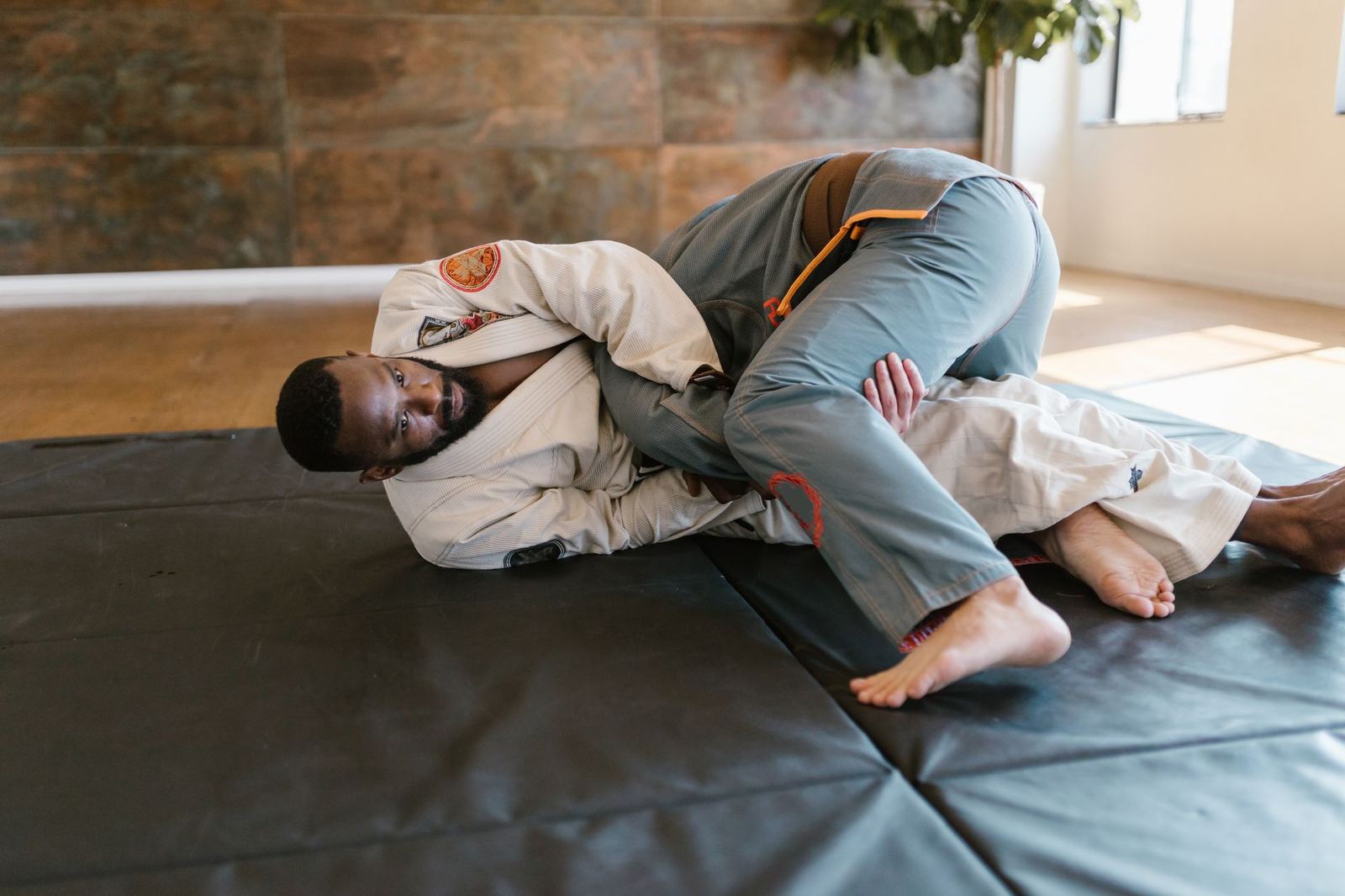
You grasp the names and logic of the basic positions such as mount, side control, guard and back control. Escapes become the most useful skill. By now you will have learned the "tap" and when to use it.
Months 5–6: First submissions
You can apply basic submissions such as the cross choke, armbar and rear naked choke on beginner-level partners. A period of growing fatigue and injuries may arrive at this time; manage your training frequency and recovery.
Belts and progress
From white to blue belt takes on average 1.5–2 years. The belt shows the technical integrity you develop over time; it is given by the coach's observation rather than a numerical test. Stripes mark intermediate stages.
Hygiene and safety
- A shower before every session, a clean kimono, short nails
- Pause training at signs of a skin infection (redness, itching, blisters)
- Tap at once when you feel pressure on the neck or joints
- See a doctor if you have a headache, nausea or dizziness after a head blow
Tips for getting started
Two to three sessions a week should be supported with strength and mobility work. Nutrition and sleep are critical for recovery. Do not compare yourself with others; BJJ is a marathon, not a sprint.
The 8-week BJJ Foundations Course at our academy offers a guided introduction to these first six months. If you have health problems, consult your doctor before starting.
Frequently asked questions
Do I need to be flexible? No; flexibility develops over time. Are weight and age a problem? In BJJ differences in age and weight are balanced by technique most of all; however, matching for beginners is done by weight and level. Do I need to buy a kimono? A loan kimono is provided by the academy in the first weeks.