


Warm-up routine, protective equipment, common injuries and what to do after a head blow.
Injuries in combat sports sometimes seem unavoidable, but most can be prevented with proper warm-up, proper equipment and proper rest. We have compiled the advice of our coaches and sports physiotherapist Alper Tonguç.
Warm-up: at least 15 minutes
An effective warm-up in combat sports should raise the pulse and prepare the joints for their range of motion. The recommended order: 5 minutes of light cardio (rope skipping, light jog), 5 minutes of dynamic mobility (shoulder, hip and neck circles) and 5 minutes of shadow work at easy pace with the sport's own movements. Static stretching (held for a long time) is part of the cool-down, not the warm-up.
Protective equipment
- Mouthguard: Reduces broken teeth and jaw trauma; mouldable ones fit better.
- Wraps and gloves: Protect the wrist and hand bones; wraps must be applied correctly.
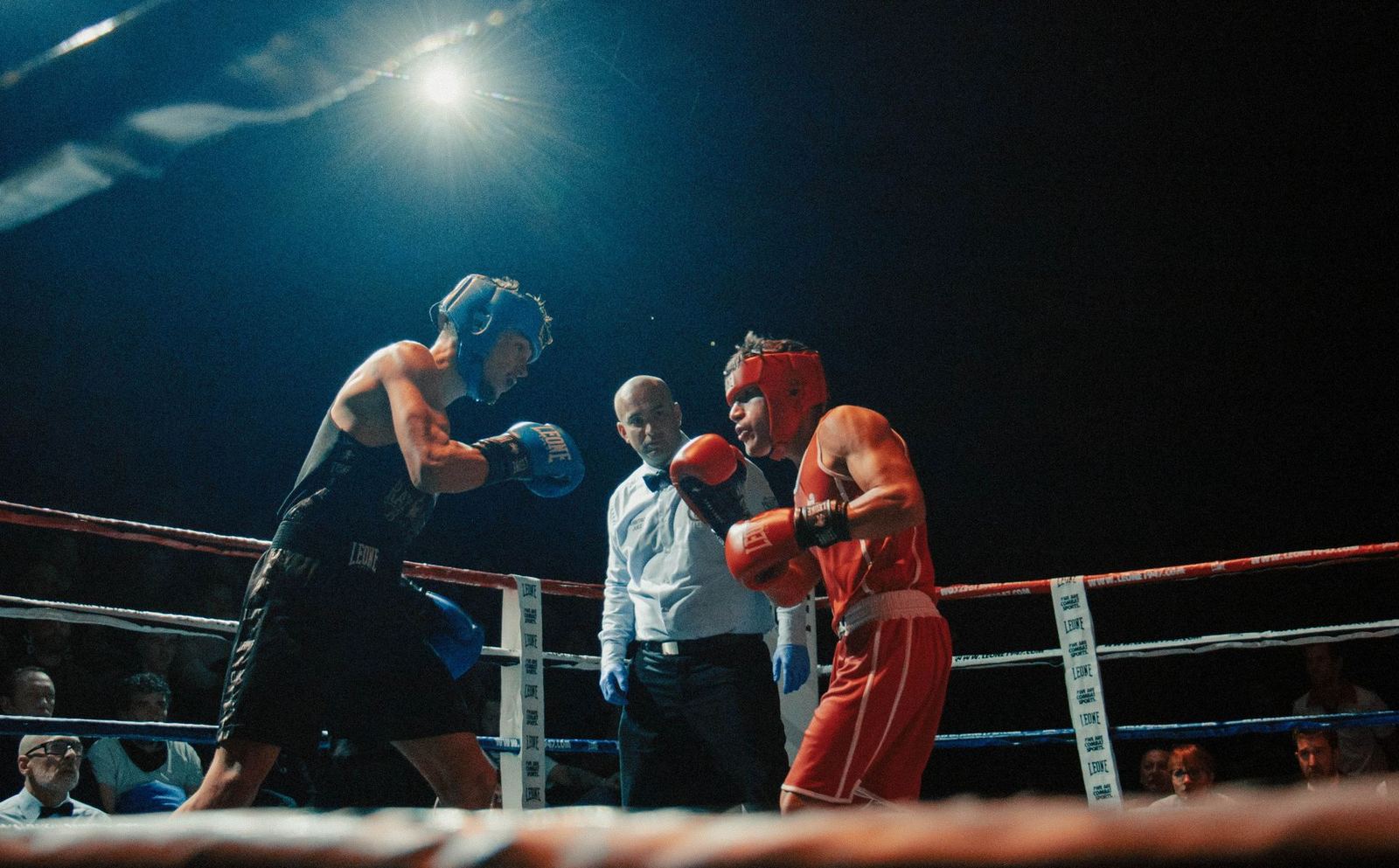
- Headgear and shin guards: Compulsory on sparring days.
- Groin guard: For all male athletes; a chest protector is recommended for women.
Common injuries
Fingers and wrist: From incorrect wraps or glove size. Shoulder: Overloading, faulty punching technique and BJJ locks. Knee: Sprains in side kicks and wrestling transitions. Neck: In chokes and pressure techniques and in uncontrolled sparring. Head blows: It is important to recognise the signs of concussion: headache, nausea, dizziness, memory loss.
What to do after a head blow
If symptoms appear after a blow, training is stopped at once and a doctor is consulted. Do not return to contact sport until symptoms have completely gone and you have doctor approval; usually at least a week is awaited. An early return after concussion increases the risk of a second blow.
Rest and recovery
At least one full rest day a week, 7–9 hours of sleep and an adequate protein-carbohydrate balance are necessary for recovery. Strength and mobility work at the weekend reduces injury risk. Do not carry on thinking it will "pass" with pain: joint and ligament injuries become chronic if neglected.
At our academy you can book a movement assessment with the sports physiotherapist. This article is general information and does not replace medical advice.
A practical checklist
- 15 minutes of warm-up before every session
- A routine of re-wrapping the wraps every session and airing the gloves
- One mobility and strength session a week
- Noting pain and showing any pain lasting more than 3 days to a doctor
These simple habits noticeably reduce lost training time over a season.